


Learn About the Duties, Schedule, and Challenges of Working as a Surgical Technologist

Do you ever wonder about everything that happens in the operating room (OR) during major surgeries like open-heart surgery or a cesarian section? Ever wonder what it would be like to work in an OR?
The truth is you don’t have to become a surgeon to join the surgical team in the OR. In fact, life as a Surgical Tech is all about working in the operating room—before, during, and after surgery. In this role, you’re a crucial part of the surgical team, preparing the OR for safe and efficient surgical procedures. But what else does the job entail?
In this article, we’ll walk through some everyday tasks and responsibilities a Surgical Technologist performs throughout their day.
Read How to Become a Surgical Technologist to learn more about preparing for this career. You can also check out other jobs that made our list of the Best Entry-Level Medical Jobs in 2023.
Clocking in as a Surgical Technologist
As you arrive at work as a Surgical Tech, your primary focus is maintaining a sterile environment.
The first step? You put on sterile clothing called “scrubs,†plus a mask, shoe covers, and bouffant. You’ll wear this clothing anytime you’re working in an operating room. Then, you scrub in. This includes rigorously washing all parts of your hands and fingers for several minutes. Once you finish scrubbing your hands, you enter the operating room (OR) suite to don your gown and gloves.
Next, the OR is prepared by a damp dusting. This ensures the number of microbes is decreased and no dust has settled in the OR overnight. Then, based on the surgeries that are scheduled, you’ll ensure you have all the surgical packs, instrumentations, trays, and implants needed for the day.
Remember: You are responsible for requesting items from partnering departments if they are missing (this refers to sterile processing or vendors).
Typical Surgical Technologist Schedule
Most Surgical Technologists (72%) work full-time in hospitals, although some also work in outpatient care centers or doctor’s offices. These techs may sometimes work the day or night shift in a hospital (12-hour shifts) or a regular 8-hour shift. However, keep in mind that night shifts are still fairly rare and mean you are likely on call.
As a Surgical Tech, you may assist surgeons during routine surgeries such as an appendectomy or tonsillectomy. Or you could find yourself assisting during a more urgent surgery—especially if you work in a specialized area such as trauma. You may even find yourself in a situation where you assist with multiple surgeries simultaneously.
If you choose to specialize, you’ll focus on a specific type of surgery in areas such as OB/GYN, orthopedics, urology, cardiothoracic, neurology, transplants, etc. Read our article on the best specialties in Surgical Technology to learn more.
Your Surgical Technologist schedule will vary by the job and type of specialization you choose. But keep in mind that with many of the jobs in this field, you’ll have the potential to work long hours and unpredictable schedules.
What Does a Surgical Technologist Do?
Daily Duties and Responsibilities of a Surgical Technologist
In this role, everything you do revolves around the operating room—before, during, and after surgery. The daily Surgical Technologist duties you will perform can be broken down into these three categories:
Pre-Operative Duties
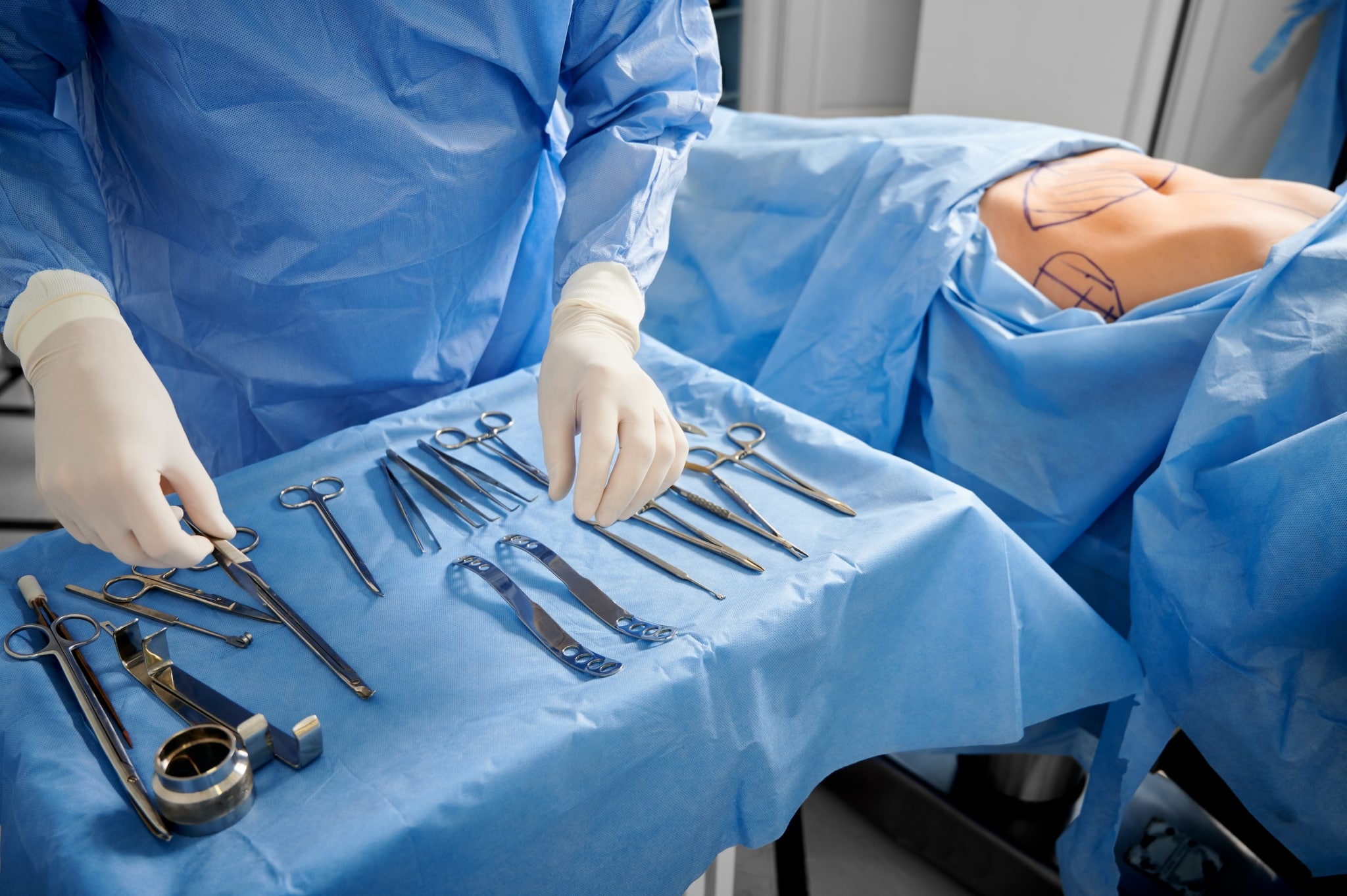
As part of your pre-operative duties, you’ll gather, open, and organize surgery kits, which include the tools and supplies needed for each scheduled surgery. You’ll set up the back table, and Mayo stands with instruments and supplies—and prepare any other surgical equipment required. You’ll also help prepare patients for surgery.
- Prepare operating rooms for surgery
- Sterilize equipment and ensure adequate supplies
- Ready patients for surgery, washing and disinfecting incision sites
Intra-Operative Duties
Before the surgery, you’ll report a start count, which is the number of instruments, sponges, and needles on hand. You’ll then pass instruments to the surgeon during the procedure. Maintaining clear communication while speaking to the surgeon, anesthesiologist, and nurses is also your job. You may also help perform simple procedures, like helping to irrigate an incision.
- Count surgical instruments to ensure all are accounted for
- Pass instruments and other sterile supplies to the surgeon
- Directly assist surgeons in performing tasks like suction of the incision site
- Prepare for unexpected complications and be ready to respond
Post-Operative Duties
You may be asked to load and cut sutures and apply bandages. After verifying counts, you’ll remove instruments and supplies (including any biohazardous waste) and then restock the OR. You may help to safely transport the patient to a recovery bed as their post-operative care begins.
- Apply bandages and other dressings to the incision site
- Transfer patients to recovery rooms and beds
- Restock operating rooms after a procedure
Clocking Out as a Surgical Technologist
As your shift ends and another Surgical Tech prepares to replace you, it’s your responsibility to complete any outstanding tasks and ensure the OR is ready for another shift. If surgery is about to start, you may need to recount instruments with the next Surgical Tech. You’ll also want to ensure any paperwork from your shift is signed and sent to the correct destination, such as pathology or the blood bank. Outside the OR, you may participate in quality improvement initiatives.
You’ll want to ensure all pertinent information relating to schedules, patients, or supplies is passed on to the next tech. And finally, as you prepare to finish your shift and clock out, you’ll transition from scrubs to your street clothes.
The Challenges of Surgical Technology
Significant challenges will arise with every Surgical Tech role. First, physical demands include standing on your feet for hours, moving around supplies, and lifting or transporting patients.
There’s also mental and emotional stress. In this job, you may have the potential for exposure to health hazards, such as being exposed to a highly contagious illness. A surgical team could run into unexpected complications during surgery. Moreover, you will often witness pain and suffering—and sometimes even death.
To counter the stress, self-care measures are essential for Surgical Techs, including taking breaks, seeking support, and finding healthy ways to cope with stress.
Start Your Journey as a Surgical Tech
Now that you know more about a day in the life of a Surgical Tech, does it sound like a career you’d like to pursue?
Imagine yourself as a vital surgical team member, communicating and collaborating with surgeons, anesthesiologists, and nurses during critical surgeries. If it sounds a bit fascinating and like a challenge you’d like to take on, you’ll be glad to know that you can complete a Surgical Technologist program in about two years (the accelerated program at Brookline College can be completed in about 90 weeks).
Yes, it’s a challenging job. But great satisfaction comes with positively impacting patients’ lives while supporting your colleagues in numerous and meaningful ways.
Learn more about the Surgical Technology program at Brookline College today.

Share this entry.
While this blog may occasionally contain information that relates to Unitek College's programs or courses, the majority of information provided within this blog is for general informational purposes only and is not intended to represent the specific details of any educational offerings or opinions of Unitek College. *Please note that wage data provided by the Bureau of Labor Statistics (BLS) or other third-party sources may not be an accurate reflection of all areas of the country, may not account for the employees' years of experience, and may not reflect the wages or outlook of entry-level employees, such as graduates of our program. (accessed on 09/14/2026)