The Occupational Therapy Assistant (OTA) program at Brookline College helps you turn your compassion into a meaningful healthcare career. Many students are drawn to this field through personal experiences, supporting a child with special needs, caring for aging family members, or witnessing the impact of therapy after illness or injury and want to make that kind of difference every day. As an OTA, you’ll help individuals of all ages build independence, confidence, and dignity through the activities that matter most, from daily routines to school, work, and home life. This accelerated program is designed for motivated, busy adults and features a flexible blended format that combines online coursework with hands-on labs and supervised fieldwork, allowing you to build real-world skills while balancing your responsibilities.
Early in the program, on-campus attendance is limited to just one Friday per month, supporting greater flexibility as you get started. The program also offers one core start each year, along with select entry points for students with eligible transfer credits. Guided by experienced, student-focused instructors, you’ll connect classroom learning to patient-centered care and prepare to pursue national certification, stepping confidently into a purpose-driven role where your skills and your empathy can have a lasting impact.
HYBRID LEARNING
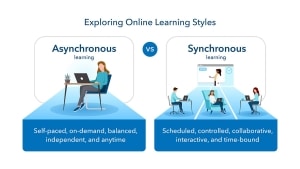
Learn through a flexible blend of online coursework and hands-on lab training, helping you build real-world skills while balancing school and life.
ACOTE-Accredited Program
The Occupational Therapy Assistant program is accredited by the Accreditation Council for Occupational Therapy Education (ACOTE).
NCLEX PASSING ASSISTANCE
Placement Rate
83%*
View all
Enroll before our next start date.
Albuquerque, NM
303 Roma Ave NW
3rd Floor, Suite 300
Albuquerque, NM 87102
Submit OTA program application & interview with OTA program leadership
Complete FAFSA and financial aid appointment
Clear background check, drug screening and provide medical clearance
Start classes
*For students accepted into the OTA program, documentation of current CPR certification is required. A drug and background check will be required, and in the state of Arizona, students are also required to complete a fingerprint clearance card.
*For a list of all admissions steps and requirements, please visit the college catalog.
Admissions team support
Our admissions team is with you every step of the way, answering questions, offering encouragement, and helping you feel confident from your first conversation through your first day of class.
Curriculum Snapshot (72 Credits*)
Through hands-on training and patient-centered instruction, our curriculum prepares you to support individuals and families in real-world settings; helping people participate more fully in the activities that give life meaning.
Course Totals
72Credit hours
Course
Credit Hours
OTA 100 Foundations of OT
3
OTA 111 Evidence Based Practice
2
OTA 101 Conditions through the Life Span
2
OTA 102 Psychosocial Practice
4
OTA 103 Psychosocial Practice Fieldwork
1
OTA 104 Kinesiology
4
OTA 160 Advocacy for OTAs
3
OTA 201 Management and Professional Issues
3
OTA 202 Physical Rehabilitation
4
OTA 203 Physical Rehabilitation Fieldwork
1
OTA 205 Geriatric Practice
4
OTA 210 Neurological Rehabilitation
4
OTA 212 Pediatric Rehabilitation
4
OTA 213 Pediatric Fieldwork
1
OTA 222 Clinical Reasoning
3
OTA 252 Level II Fieldwork 1
6
OTA 253 Level II Fieldwork 2
6
Course
Credit Hours
FYE 110 Foundations of Success in Health Professions
3
PSY 100 Introduction to Psychology
3
ENG 115 Public Speaking
3
BIO 200 Anatomy & Physiology I
3
BIO 200L Anatomy & Physiology I Lab
1
BIO 215 Anatomy & Physiology II
3
BIO 215L Anatomy & Physiology II Lab
1
Brookline College is a great school with a supportive, encouraging learning environment. The instructors and Program Directors truly care about their students, not just academically, but personally and that makes a huge difference.
Laurie S.
Fast-Track Your Future
Our Occupational Therapy Assistant program is designed for students who want to move forward with purpose. Through an accelerated and supportive format, you’ll progress through a focused curriculum that blends foundational theory with hands-on clinical practice, preparing you to help individuals build independence, confidence, and function in everyday life.
Tuition & Financial Support
Pursuing a career in occupational therapy should feel achievable and supported. Our Financial Aid team works alongside you to explore available funding options including federal aid, scholarships, and flexible payment solutions so you can navigate the process with clarity, confidence, and peace of mind.
Practice-Driven Preparation
From the classroom to the clinic, you’ll develop the most current practical, hands-on skills employers value most. Through interactive labs and supervised fieldwork, you’ll gain experience supporting therapeutic activities, adaptive strategies, and compassionate, patient-centered care. You will graduate prepared to make a difference in hospitals, rehabilitation centers, schools, community programs, and long-term care settings.
A Career as an Occupational Therapy Assistant
Occupational Therapy Assistants are trusted partners in care, working alongside Occupational Therapists to help people of all ages rediscover independence in the moments that matter most. Whether supporting a child as they build daily skills, helping an adult recover after injury, or assisting an older adult in maintaining dignity and independence, OTAs play a hands-on role in improving quality of life.
Through personalized treatment plans and ongoing progress tracking, OTAs bring compassion, patience, and purpose to every stage of the healing journey.
As the need for rehabilitative and supportive care continues to grow, so does the demand for Occupational Therapy Assistants. According to the U.S. Bureau of Labor Statistics (BLS), employment for OTAs is projected to grow much faster than average, approximately 18% from 2024 to 2034, driven by expanding healthcare needs, particularly among aging populations. The most recent BLS data reports a median annual wage of approximately $68,540* as of May 2024, offering competitive earning potential within a fulfilling, people-centered profession.
Frequently Asked Questions
Tuition for the OTA program varies by campus and individual circumstances. Before you enroll, your Admissions Representative will review tuition, estimated fees, and available financial aid options so you have a clear understanding of the investment and available support.
Students who qualify may be eligible for federal grants, student loans, scholarships, and other funding opportunities. Our Financial Aid team will help you explore options and guide you through each step of the process.
Yes. Flexible payment plan options may be available to help make your education more manageable.
We recommend completing the FAFSA as early as possible to maximize access to available funding.
Transfer credits from accredited institutions may be accepted following an official transcript review.
Submit your official transcripts during the admissions process. Your Admissions Representative will walk you through the evaluation and explain any eligible transfer credits.
In some cases, credits from Eagle Gate College or other Unitek Learning institutions may transfer, depending on course equivalency and program alignment.
Applicants must provide proof of high school graduation or equivalent, complete required admissions assessments, and meet program-specific enrollment requirements. Admissions will support you through each step.
No prior healthcare experience is required. The program is designed to build the clinical, professional, and communication skills needed for entry-level OTA practice.
Students have access to tutoring, academic advising, career services, and ongoing student success resources throughout the program.
Occupational Therapy Assistants help people of all ages do the things that give life meaning—from daily routines to personal goals. Working alongside an Occupational Therapist, OTAs provide hands-on, compassionate care that supports physical, cognitive, and emotional well-being, helping individuals build independence, confidence, and dignity in everyday life.
Graduates may pursue entry-level roles in hospitals, rehabilitation centers, outpatient clinics, schools, community programs, assisted living facilities, and other healthcare settings.
Demand for OTAs remains strong, with the BLS, projecting employment for occupational therapy assistants to grow much faster than average, approximately 18% from 2024 to 2034, as healthcare needs expand nationwide, particularly among aging populations.
According to the most recent BLS data, the median annual wage for occupational therapy assistants was about $68,540* as of May 2024, reflecting competitive earning potential in this rewarding field.
Tuition for the OTA program varies by campus and individual circumstances. Before you enroll, your Admissions Representative will review tuition, estimated fees, and available financial aid options so you have a clear understanding of the investment and available support.
Students who qualify may be eligible for federal grants, student loans, scholarships, and other funding opportunities. Our Financial Aid team will help you explore options and guide you through each step of the process.
Yes. Flexible payment plan options may be available to help make your education more manageable.
We recommend completing the FAFSA as early as possible to maximize access to available funding.
Transfer credits from accredited institutions may be accepted following an official transcript review.
Submit your official transcripts during the admissions process. Your Admissions Representative will walk you through the evaluation and explain any eligible transfer credits.
In some cases, credits from Eagle Gate College or other Unitek Learning institutions may transfer, depending on course equivalency and program alignment.
Applicants must provide proof of high school graduation or equivalent, complete required admissions assessments, and meet program-specific enrollment requirements. Admissions will support you through each step.
No prior healthcare experience is required. The program is designed to build the clinical, professional, and communication skills needed for entry-level OTA practice.
Students have access to tutoring, academic advising, career services, and ongoing student success resources throughout the program.
Occupational Therapy Assistants help people of all ages do the things that give life meaning—from daily routines to personal goals. Working alongside an Occupational Therapist, OTAs provide hands-on, compassionate care that supports physical, cognitive, and emotional well-being, helping individuals build independence, confidence, and dignity in everyday life.
Graduates may pursue entry-level roles in hospitals, rehabilitation centers, outpatient clinics, schools, community programs, assisted living facilities, and other healthcare settings.
Demand for OTAs remains strong, with the BLS, projecting employment for occupational therapy assistants to grow much faster than average, approximately 18% from 2024 to 2034, as healthcare needs expand nationwide, particularly among aging populations.
According to the most recent BLS data, the median annual wage for occupational therapy assistants was about $68,540* as of May 2024, reflecting competitive earning potential in this rewarding field.
Accreditation
Accreditation Council for Occupational Therapy Education (ACOTE)
For campus specific accreditation information, please visit the following links:
*These placement rates are based on program-specific and campus-specific data reported to our institutional accreditor(s) in 2024. While the figures shown here are not separately reported to our accreditor, they are derived from those outcomes. For full details by program and campus, please visit our Disclosures page.
*Please note that wage data provided by the Bureau of Labor Statistics (BLS) or other third-party sources may not be an accurate reflection of all areas of the country, may not account for the employees’ years of experience, and may not reflect the wages or outlook of entry-level employees, such as graduates of our program (accessed on 3/17/2026).